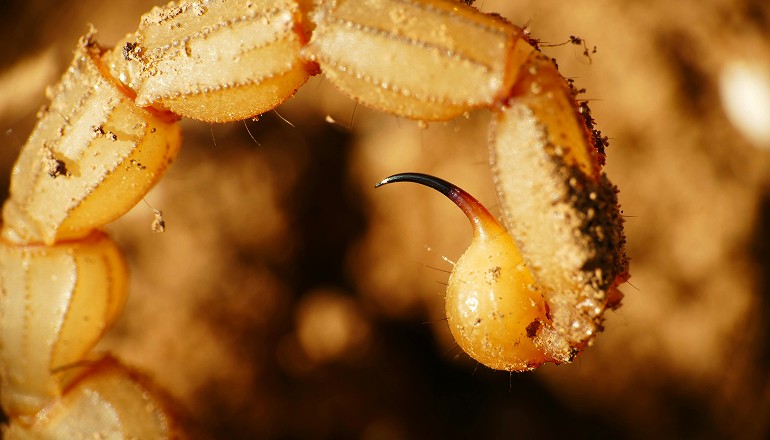
What Attracts Scorpions Outside Your Home?

Written by:
Casey Shaw
May 4th, 2026
5 Minute Read
A scorpion in the yard rarely shows up by accident. In Scottsdale and across the Phoenix Valley, these pests move with purpose. If you are wondering what attracts scorpions outside, the short answer is simple - food, water, shelter, and easy travel routes. The real issue is that many homes offer all four without the owner realizing it.
That is why scorpion control is rarely about one spray and done. Real protection starts with knowing what is pulling them onto the property in the first place, then tightening up the weak spots before they become a repeat problem.
What attracts scorpions outside most often
Scorpions are built for survival in the desert, but they still follow resources. If your yard gives them cooler hiding places, steady insect activity, or damp zones during dry stretches, it can start working like a magnet.
In Arizona neighborhoods, the biggest attractors are usually moisture around irrigation lines, dense landscaping, block walls, wood piles, decorative rock, and the insects that gather near outdoor lights. Scorpions are hunters. They do not come outside looking for your home itself. They come looking for the small pests and protected spaces around it.
That distinction matters. Homeowners often focus only on where they saw the scorpion, but the better question is what made that area worth staying in. Once a scorpion finds food and cover in the same zone, it may keep returning to the same perimeter pockets night after night.

Moisture is a bigger draw than most homeowners think
People hear “desert pest” and assume scorpions prefer hot, bone-dry ground at all times. Not exactly. They tolerate harsh conditions well, but they still benefit from moisture. In residential settings, that often means overwatered landscaping, dripping hose bibs, leaky irrigation valves, condensation near AC lines, and shaded soil that stays damp longer than it should.
Monsoon season can intensify this pattern. After summer storms, scorpions may shift around the yard as water changes ground conditions and flushes insects into new hiding areas. Even outside of storm season, regular irrigation can create a reliable moisture source in an otherwise dry environment.
If one side of the property stays cooler and wetter than the rest, that area deserves attention. It may not be the only reason scorpions are outside, but it often becomes part of the pattern.
Insects are the food supply that keeps them around
A yard with heavy insect activity is a yard that can support scorpions. Crickets, roaches, spiders, and other small pests help feed them, especially at night. This is one of the biggest reasons scorpion issues and general pest issues often travel together.
Outdoor lighting plays a role here. Bright porch lights, garage lights, landscape lighting, and uncovered bulbs pull in insects after dark. Those insects then attract spiders and other prey, and that food chain can pull scorpions closer to the home’s exterior.
It does not mean every light needs to go dark. It means your pest defense should account for how light placement affects insect pressure. Warm lights near doors, patios, and garage areas can create a feeding zone right where you do not want one.
Shelter is what turns a visit into a pattern
Scorpions spend daylight hours hiding. They want tight, protected spaces that shield them from heat and predators. Outside the home, that often means cluttered edges and shaded voids.
Common shelter zones include stacked pavers, firewood, storage bins, debris piles, overgrown shrubs, groundcover pressed against the house, cracks in block walls, and gaps around decorative features. Rock landscaping can also be part of the issue, especially if it creates cool pockets beneath the surface or borders dense plant growth.
Not every desert-style yard is automatically a scorpion haven. The problem is usually how the materials are arranged and maintained. Clean, open, well-managed landscapes are less inviting than cluttered corners with layered hiding spots.
This is where DIY efforts often miss the mark. If the yard still offers dozens of hidden daytime refuges, killing the occasional visible scorpion will not shut down the overall activity.
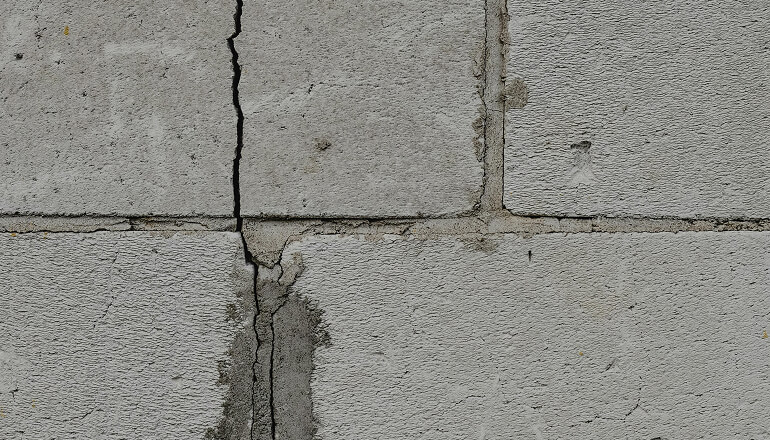
Block walls, fences, and foundations act like highways
In many Phoenix-area communities, scorpions do not just appear in the middle of a lawn. They move along structure lines. Block walls, fence bases, expansion joints, and foundation edges give them cover and direction as they travel.
A neighbor’s yard can affect your risk too. If scorpions are nesting or feeding along shared walls, they can move between properties more easily than most homeowners expect. This is one reason isolated treatment usually has limits. You may solve one hot spot but still have active movement routes around the perimeter.
Cracks, weep screeds, garage thresholds, and utility penetrations make things worse by turning outside activity into inside activity. The scorpion that starts on the wall or under the landscape border does not need much of an opening to push further in.
What attracts scorpions outside in Arizona yards specifically
Arizona homes have some unique risk factors. Desert landscaping is attractive for water conservation, but decorative rock, cinder block construction, stucco transitions, and irrigated plant beds can create the exact combination scorpions want - protected travel paths next to food and moisture.
Palm trees are another frequent factor. Their rough trunks and fallen debris can harbor insect activity and create shade near the base. Dense lantana, rosemary, and other shrubs may also provide cover if they are overgrown or planted too tightly against the structure.
Then there is the garage zone. Homeowners often focus on the backyard, but scorpions are just as likely to work around driveway edges, storage areas, and side yards with trash cans, utility boxes, and clutter. If the exterior of the home has multiple shaded, undisturbed pockets, those become staging areas.
Why some clean-looking yards still have scorpions
This is where the answer gets more nuanced. A property can look neat and still have strong scorpion pressure. You can have trimmed plants, swept patios, and no obvious clutter, yet still deal with scorpions because the larger environment supports them.
Maybe the home backs to open desert. Maybe nearby lots have heavy insect activity. Maybe the block wall has cracks, the irrigation schedule runs too long, or the lighting setup pulls in prey every night. Maybe the issue is seasonal movement after heat spikes or monsoon moisture.
That is why scorpion control should never rely on guesswork. Visual cleanliness helps, but hidden conditions matter more than curb appeal. The goal is not just to make the yard look clean. The goal is to make the property harder for scorpions to use.
How to make your yard less attractive to scorpions
Start with pressure reduction. Cut back shrubs and groundcover so they are not touching the house. Remove stacked materials, debris, and unnecessary clutter from side yards and perimeter edges. Keep firewood elevated and away from the structure.
Next, tighten moisture control. Fix leaks, adjust irrigation if areas stay wet too long, and pay close attention to shaded spots where water lingers. If one part of the yard always seems cooler and damp, treat it like a priority zone.
Then reduce the food supply. If insects are active around exterior lights, switch bulb color and placement where practical, and pair that with broad pest management instead of focusing on scorpions alone. A yard full of prey will keep inviting predators.
Finally, look at exclusion and perimeter defense. Seal obvious gaps, inspect garage and door thresholds, and pay attention to wall lines, penetrations, and cracks. Outside attraction and inside intrusion are connected. The stronger your exterior barrier, the better your odds of keeping activity where it belongs - away from your living space.
The trade-off homeowners need to understand
Some of the features people love most about Arizona yards can also support pest pressure. Dense desert landscaping looks great. Accent lighting adds curb appeal. Irrigation keeps plants healthy through brutal heat. None of those are wrong. They just need to be managed with pest behavior in mind.
That is the trade-off. A beautiful yard can still be part of an elite defense plan, but it usually takes more than occasional spraying. It takes inspection, property-specific adjustments, and ongoing service that adapts to the season.
For homeowners who want real peace of mind, that is the difference between reacting to sightings and deploying protection. Studs Against Bugs approaches scorpion control the way it should be handled in the Valley - as a year-round defense system built around how Arizona pests actually move.
If scorpions keep showing up outside, your yard is telling you something. Usually it is that prey is active, shelter is available, or moisture is lingering where it should not. The fix is not panic. It is tightening the property until scorpions have fewer reasons to stop there at all.
Casey Shaw
Founder,
Studs Against Bugs
Ready for protection?
Muscle vs. Micro-Pests: We don’t just spray and pray. Our team utilizes heavy-duty, professional-grade barriers engineered to withstand the intense Arizona heat and keep desert pests out for good. While we are headquartered in Scottsdale, our elite protection extends across the entire Phoenix metro—from the rugged terrain of Cave Creek and Carefree to the residential hearts of Gilbert, Chandler, and Mesa.
Built to Protect: Like a well-built home, our pest defense starts with a solid foundation. We identify specific structural vulnerabilities—from weep screeds in Peoria to roof lines in Paradise Valley—ensuring every property is "Stud-Tested" and bug-proof. Because we operate from Buckeye to Queen Creek, we possess a deep understanding of how scorpions and termites behave in every unique desert environment.
Reliable & Rugged Service: Whether you are in Fountain Hills, Glendale, or Goodyear, we show up on time, every time. We provide the hardworking, honest service that residents from Surprise to Tempe expect from a premium local partner. From the West Valley to the East, we are your rugged defense against the desert’s toughest pests