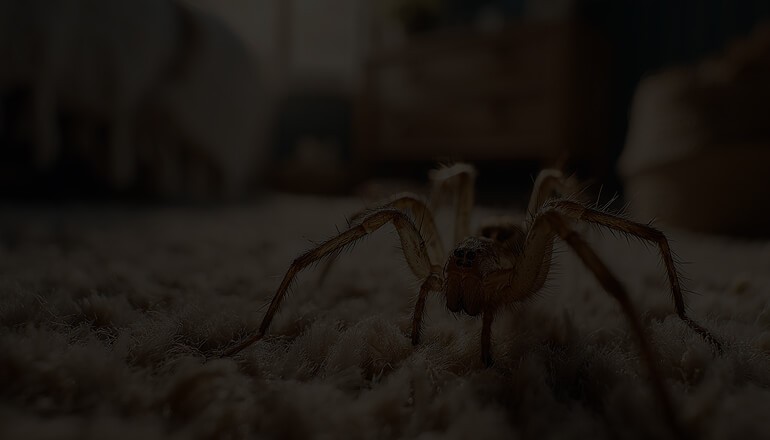
Effective Insect Control in Home: Keeping Scottsdale Insects Out of Your Living Room
Living in the Sonoran Desert means sharing your environment with unique pests, but they shouldn't be sharing your living room. From Old Town to North Scottsdale, our tailored home treatments create a permanent barrier against scorpions, termites, and seasonal invaders, ensuring your sanctuary stays pest-free year-round.
Talk to a professional
Jump to section:

Marching Into Your Sanctuary: Why Ants are a Desert Threat
In the harsh Scottsdale desert, ants are far more than just a kitchen nuisance; they are persistent invaders driven by a survival instinct that leads them straight into your home. During the scorching Arizona summers, species like Harvester ants and Odorous House ants relentlessly seek out the moisture and climate-controlled coolness of your living space. Once they find a way in, they establish complex pheromone trails that can lead thousands more to your pantry or plumbing fixtures in a matter of hours. Beyond the frustration of a contaminated kitchen, certain desert species can cause physical damage to your property’s foundation or deliver painful stings to pets and children. Effective insect control in home is the only way to break these cycles, as Studs Against Bugs understands that in Scottsdale, an ant sighting is often just the tip of a much larger underground colony looking for a permanent lease in your house.
Learn More
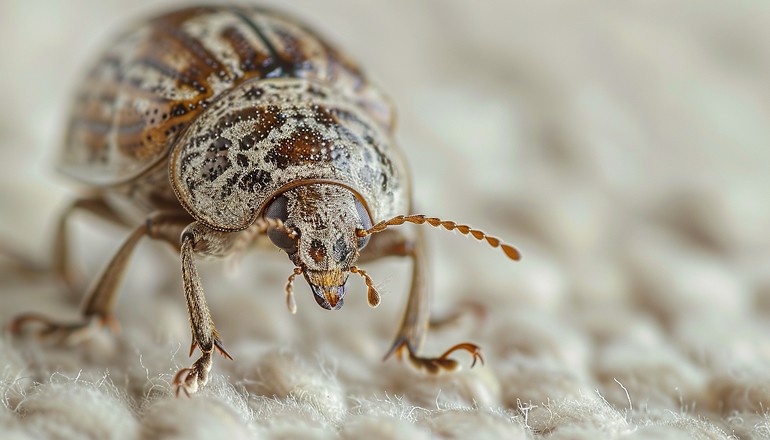
The Silent Shredders: Why Carpet Beetles are a Major Risk to Interiors
While scorpions might get all the headlines, carpet beetles are the stealthy invaders that can quietly dismantle your Scottsdale home from the inside out. In the arid Arizona climate, these pests are particularly attracted to the "oasis" of your air-conditioned home, seeking out natural proteins found in expensive wool rugs, silk drapes, and leather furniture. It isn't the adult beetles that do the damage, but their fuzzy, caterpillar-like larvae—often called "skin beetles"—which thrive in dark, undisturbed areas like closets and under heavy furniture. Beyond ruining your textiles, the bristly hairs on these larvae can cause "carpet beetle dermatitis," an itchy, red rash that many homeowners mistake for bed bug bites. Without professional insect control in home, a few stray beetles brought in on desert wildflowers can quickly turn into a full-blown infestation that puts your wardrobe and your comfort at risk. At Studs Against Bugs, we know exactly where these "stud-stubborn" pests hide and how to stop them before they take a bite out of your investment.
Carpet Beetle FAQS
Are Carpet Beetles harmful?
Carpet beetles are generally not harmful to humans or pets because they don’t bite, sting, or carry diseases. However, their larvae can damage your home by eating natural fibers like wool, silk, and leather, and their prickly hairs can occasionally cause itchy skin rashes or allergic reactions.
What causes Carpet Beetles?
Carpet beetles are usually introduced to homes through open windows, doors, or on infested items like cut flowers, second-hand furniture, and clothing. They are primarily attracted to organic materials—such as wool, fur, feathers, and lint—which serve as the primary food source for their larvae.
What are signs of Carpet Beetles?
The most common signs are irregular holes in natural fabrics like wool rugs, sweaters, and upholstery, as well as clusters of tiny, brownish shed skins left behind by growing larvae. You may also spot the adult beetles—small, oval, and speckled—congregating near windowsills or light sources as they try to move outdoors.
How to prevent Carpet Beetles?
To prevent carpet beetles, maintain a regular cleaning routine by vacuuming carpets, rugs, and upholstery to remove the lint, pet hair, and debris that larvae feed on. Additionally, store out-of-season natural fabrics in airtight containers and ensure your window screens are in good repair to keep adult beetles from flying inside.
How many Carpet Beetles is an infestation?
Finding even a single larva or adult beetle inside can indicate an infestation, as they are prolific breeders that hide in dark, undisturbed areas. Because their eggs are nearly invisible and a single female can lay up to 100 at a time, seeing multiple beetles or noticing physical damage to fabrics usually confirms an active problem.
How do we treat Carpet Beetles?
By using our Tri Guard technique.
Talk to an expert
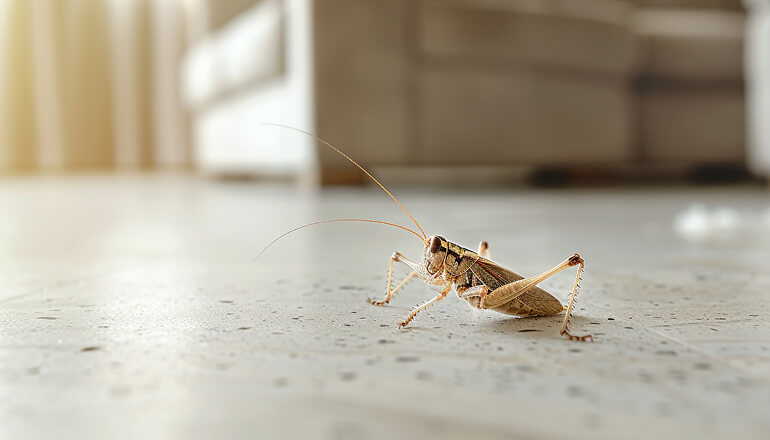
The Desert’s Noisy Dinner Bell: Why Crickets are a Major Red Flag
In the Scottsdale desert, a cricket in the house is much more than just a sleepless night—it’s an invitation for far more dangerous guests. While field crickets and house crickets are notorious for their relentless chirping and their appetite for your expensive curtains and upholstery, their real threat lies in the "food chain" they bring with them. Crickets are the primary food source for Arizona Bark Scorpions and Black Widows. When crickets find a way into your home to escape the blistering desert heat, they act as a "dinner bell" that draws these venomous predators right into your living spaces.
At Studs Against Bugs, we prioritize cricket elimination as a cornerstone of insect control in home because we know that a "cricket-free" home is the first step toward a "scorpion-free" home. Don't let these jumpy invaders turn your Scottsdale property into a desert buffet; our high-performance barriers cut off the food supply and keep the desert’s most unwanted hunters at bay.
Cricket FAQS
Why do I have crickets in my house?
Crickets usually enter houses seeking warmth, moisture, and shelter, especially when outdoor conditions become too dry or cold. They are naturally drawn to bright outdoor lights and can easily slip through small gaps in window screens, door seals, or foundation cracks.
Why do i have crickets in my house at night?
Crickets are primarily nocturnal, so they become most active at night when they emerge from hiding to find food and mates. They are also highly attracted to bright outdoor lights, which can draw them toward your windows and doors where they slip through small gaps or cracks.
Is it bad to have crickets in your house?
While crickets are generally harmless to humans and don't carry diseases, they can be a major nuisance due to their loud, rhythmic chirping that disrupts sleep. Left unchecked, certain species may also damage your home by chewing on fabrics like wool, silk, and cotton, or even paper products and wallpaper.
Are crickets harmful to pets?
Crickets are generally harmless to pets and are even a nutritious snack for many reptiles and amphibians. However, if your pet eats a "wild" cricket, there is a small risk of exposure to pesticides or intestinal parasites, so it's best to discourage them from hunting household invaders.
How many crickets is an infestation?
Seeing more than two or three crickets regularly inside is usually a sign of an infestation, as they tend to congregate in groups. Since a single female can lay up to 100 eggs in a season, frequent sightings or constant nocturnal chirping suggest they’ve found a way to breed within your home's walls or crawl spaces.
How do we treat Carpet Beetles?
By using our Tri Guard technique.
Talk to an expert
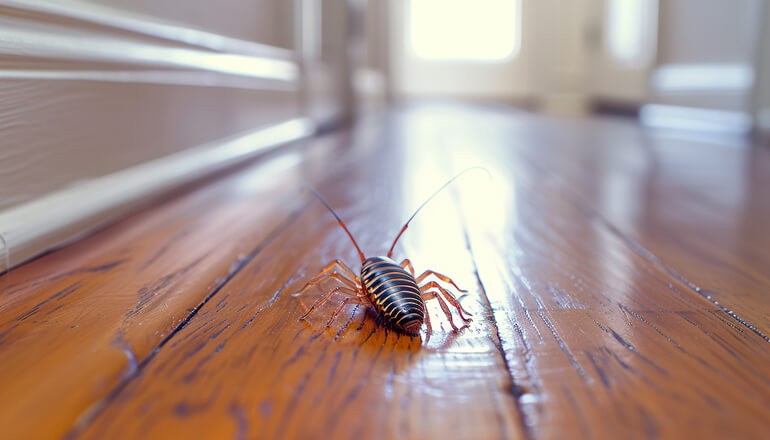
The Desert’s Leggy Nightmare: Why Centipedes are a Red Flag
In the Scottsdale desert, spotting a centipede darting across your tile isn’t just a jump-scare—it’s a sign that your home’s ecosystem is out of balance. While species like the Giant Desert Centipede can grow up to 8 inches long and deliver a painful, venomous pinch, their presence usually points to a deeper "insect control in home" issue. These aggressive hunters are drawn to the moisture of Scottsdale bathrooms and kitchens, following the trail of the smaller pests they prey on. Because they are nocturnal and incredibly fast, a centipede sighting often means there’s a thriving population of hidden insects acting as their food source within your walls. At Studs Against Bugs, we don’t just stop the "creep" factor; we eliminate the source. Our high-performance treatments neutralize these multi-legged invaders and the prey that brings them inside. Don't let your Scottsdale sanctuary become a hunting ground for desert centipedes—let our studs secure your perimeter and restore your peace of mind.
Centipede FAQS
Are centipedes dangerous?
Most house centipedes are not dangerous to humans or pets, as they are shy and rarely bite unless handled. While their venom is effective for paralyzing small insect prey, a centipede "sting" is typically no more painful than a mild bee sting and carries no long-term health risks.
Are house centipedes good?
Yes, house centipedes are actually beneficial "active hunters" that act as natural pest control by eating cockroaches, silverfish, and spiders. Because they don't build webs or nests and actively track down more harmful insects, they are often considered one of the most helpful uninvited guests in a home.
Are house centipedes good for roaches?
Yes, house centipedes are excellent natural predators of cockroaches and can significantly help reduce their population. They are incredibly fast hunters that use their long legs to corral and paralyze roaches with venom, making them one of the most effective biological pest controllers in a home.
What do house centipedes eat?
House centipedes are insectivores that primarily hunt other common household pests such as cockroaches, silverfish, spiders, and moths. They are highly efficient predators, using their incredible speed and venomous fangs to paralyze and consume almost any small arthropod they encounter.
Do i need to get house centipedes treated?
Treating for house centipedes is usually unnecessary since they are harmless predators that provide free pest control by eating roaches and silverfish. However, if you see them frequently, it’s often a sign of a larger underlying pest problem or high moisture levels that should be addressed instead.
How do we treat centipedes?
By using our Tri Guard technique.
Talk to an expert
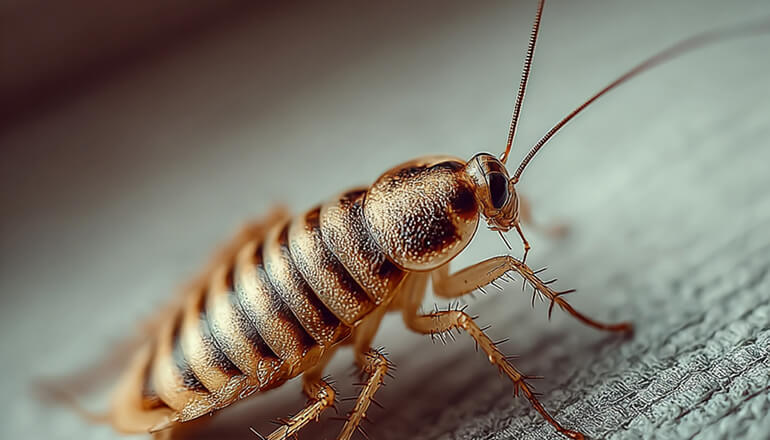
The Ultimate Desert Survivor: Why Cockroaches are a Health Crisis
In the Scottsdale desert, cockroaches are more than just a "gross" encounter; they are a resilient threat to your family’s health and your home's hygiene. From the massive American Cockroaches (often called "Sewer Roaches") that crawl up through drains during monsoon season to the fast-breeding German Cockroaches that hitchhike into kitchens, these pests are masters of infiltration. In our dry Arizona climate, your home acts as a literal oasis, providing the moisture and shelter they need to thrive year-round.
Beyond the "ick" factor, cockroaches are notorious for carrying bacteria like Salmonella and E. coli, and their shed skins and droppings are leading triggers for asthma and allergies in children. At Studs Against Bugs, we know that DIY sprays rarely reach the deep wall voids where these "stud-stubborn" survivors hide. Our professional insect control in home targets the source of the infestation, sealing entry points and using high-performance treatments to ensure that what stays in the desert, stays out of your Scottsdale kitchen.
Learn More
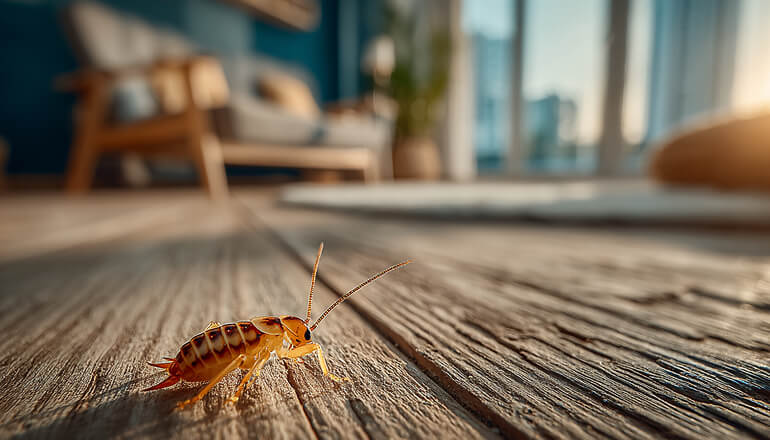
The Pincer-Tailed Invaders: Why Earwigs Love Your Oasis
In the dry Scottsdale desert, moisture is the ultimate luxury, and earwigs are masters at sniffing it out. These prehistoric-looking pests with their signature rear-end "pincers" (cerci) are often driven into your home during the transition from the dry heat to monsoon season. While the old wives' tale about them crawling into ears is a myth, their threat to your Scottsdale home is very real. Earwigs are "gregarious" insects, meaning where you see one, dozens more are likely hiding in the cool, damp voids of your kitchen, bathroom, or laundry room.
Beyond the "creep" factor, earwigs can be devastating to indoor potted plants and can emit a foul-smelling liquid when crushed or threatened. Because they are nocturnal and hide in the tightest crevices during the day, standard DIY sprays often miss the heart of the infestation. At Studs Against Bugs, our insect control in home strategy focuses on "moisture-mapping"—identifying the damp micro-climates in your Scottsdale property that attract these leggy invaders. We don't just clear the ones you see; we seal the gaps and treat the hiding spots to ensure your sanctuary stays earwig-free.
Earwig FAQS
Are earwigs dangerous?
Earwigs are not dangerous to humans or pets as they do not sting, carry diseases, or have venom. While they can use their rear pincers to give a light pinch if handled, it is rarely strong enough to break the skin or cause injury.
Are earwigs dangerous to pets?
Earwigs are not dangerous to pets because they lack venom and do not carry diseases that affect domestic animals. While a curious dog or cat might get a harmless pinch if they corner one, earwigs are generally more of a nuisance than a health threat to your furry friends.
What are earwigs a sign of?
An earwig sighting is usually a sign of high moisture levels or decaying organic matter near your home's foundation, such as damp mulch, leaf piles, or clogged gutters. If you find them indoors, it often indicates that they are seeking refuge from extreme weather or have found small gaps in your home's seals and insulation.
How to prevent earwigs in house?
To prevent earwigs, focus on reducing moisture by fixing leaky pipes and using dehumidifiers in damp areas like basements. You should also clear away damp mulch or leaf piles from your home's foundation and seal any cracks or gaps around windows and doors to block their entry points.
What are earwigs a sign of in the house?
Finding earwigs inside is typically a sign of excess moisture or high humidity levels in areas like basements, bathrooms, or crawl spaces. It can also indicate that there are gaps in your home's exterior, such as worn weatherstripping or cracks in the foundation, that are allowing these moisture-seeking pests to crawl indoors.
How do we treat earwigs?
By using our Tri Guard technique.
Talk to an expert
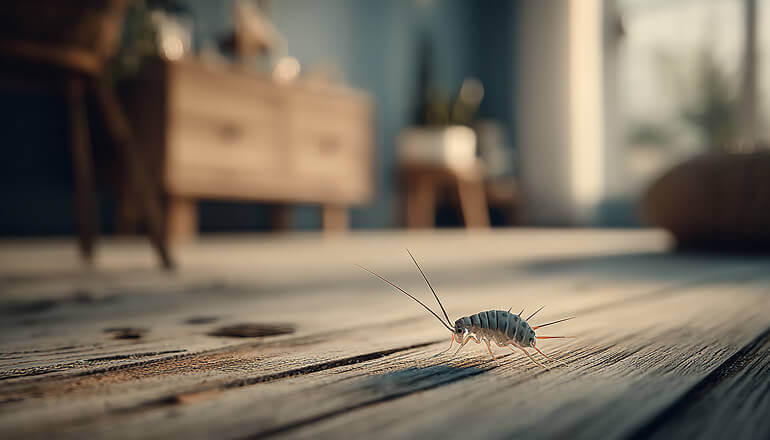
The Ancient Paper-Eaters: Why Silverfish are a Threat to Your Valuables
In the arid Scottsdale climate, your home’s attic, closets, and bookshelves act as a literal sanctuary for silverfish. These teardrop-shaped, shimmering insects have survived for millions of years by being masters of stealth and destruction. While they don't bite or sting, their presence is a major red flag for your property. Silverfish thrive on starchy substances, meaning they will quietly feast on your wallpaper paste, expensive book bindings, family photo albums, and even silk or cotton clothing.
Because they are nocturnal and incredibly fast, a silverfish infestation in a Scottsdale home can go unnoticed for months until you find "shotholes" in your favorite shirt or yellowing stains on important documents. Their presence also signals a potential moisture or humidity issue within your walls—a "micro-climate" that attracts other desert pests. At Studs Against Bugs, our insect control in home protocol involves identifying these high-humidity hotspots and applying high-performance treatments that stop these ancient invaders in their tracks. We don't just protect your house; we protect the memories and investments stored inside.
Silverfish FAQS
How to get rid of silverfish in house?
To get rid of silverfish, you must eliminate their food sources like starch and paper while keeping your home's humidity levels below 50% with a dehumidifier. Additionally, applying food-grade diatomaceous earth in cracks and sealing gaps around baseboards will physically remove and block these moisture-loving pests.
How to get rid of silverfish in clothes?
To get rid of silverfish in clothes, wash or dry-clean all affected items to remove eggs and any starch or food residue that attracts them. Once clean, store your garments in airtight plastic bins with cedar blocks or lavender sachets to create a protective, scent-based barrier.
Are silverfish harmful?
Silverfish are not harmful to humans or pets because they don't bite, sting, or carry diseases. However, they can be destructive to your property by chewing holes in clothing, book bindings, wallpaper, and pantry goods.
Are silverfish harmful to pets?
Silverfish are generally not harmful to healthy houseplants because they prefer eating dead organic matter, starches, and molds rather than living green tissue. However, if a room is very humid, they may occasionally nibble on soft seedlings or the starchy components of potting soil, but they won't kill your plants like aphids or spider mites would.
Are silverfish harmful to plants?
Finding earwigs inside is typically a sign of excess moisture or high humidity levels in areas like basements, bathrooms, or crawl spaces. It can also indicate that there are gaps in your home's exterior, such as worn weatherstripping or cracks in the foundation, that are allowing these moisture-seeking pests to crawl indoors.
How do we treat silverfish?
By using our Tri Guard technique.
Talk to an expert
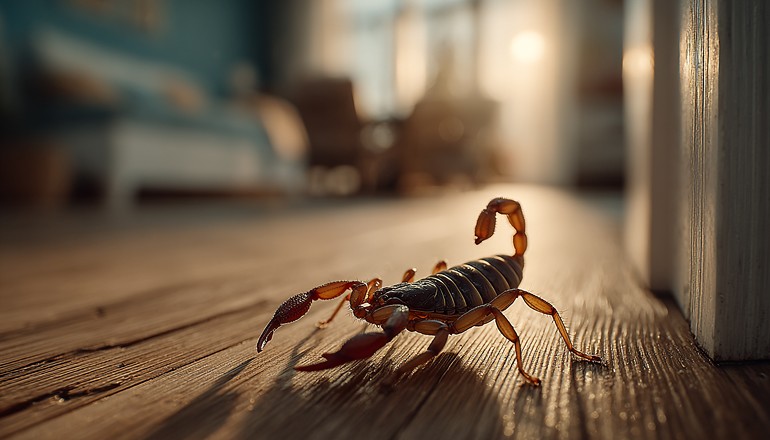
The Desert’s Armored Hunters: Why Scorpions are the Ultimate Intruder
In Scottsdale, scorpions are the undisputed kings of the desert pavement, and they don't distinguish between your backyard and your living room. Whether it is the common Ground Scorpion or the more elusive Striped Tail, these arachnoids are built for survival in the harshest Arizona conditions. While most species aren't life-threatening, their venomous stings can cause significant pain, swelling, and anxiety for families and pet owners. Because they are nocturnal and perfectly camouflaged against desert landscaping, a "scorpion-free" home is rarely an accident—it’s the result of a deliberate defense.
Scorpions are unique among Scottsdale pests because they don't just "infest"; they colonize. They can survive for months without food and thrive in the cool, dark crevices of block walls, attic insulation, and even the "voids" behind your kitchen cabinets. Standard DIY sprays often fail because a scorpion's thick, waxy exoskeleton acts like a suit of armor against low-grade chemicals.
At Studs Against Bugs, our insect control in home strategy treats scorpions as the apex predators they are. We focus on:
The "Blacklight" Advantage: Identifying the active hunting trails around your Scottsdale property that stay hidden during the day.
Perimeter Hardening: Creating a high-performance chemical and physical barrier that prevents scorpions from transitioning from the desert soil to your foundation.
Habitat Modification: Advising you on how to eliminate the "clutter" and moisture that scorpions use as their base of operations.
Don't wait for a midnight encounter in the hallway. Let our studs secure your Scottsdale sanctuary and put an end to the "creeping" threat of desert scorpions.
Learn More
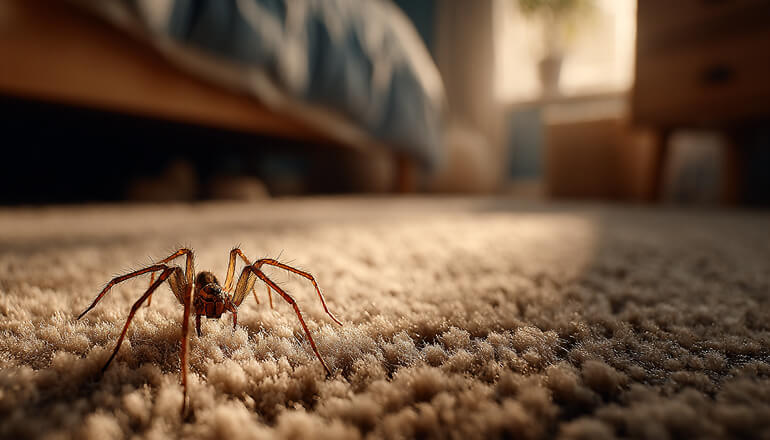
The High-Corner Hunters: Why Spiders are a Constant Presence
In the Scottsdale desert, spiders are the opportunistic architects of the pest world. While most species like the Wolf Spider or the Cellar Spider are technically "beneficial" because they eat other insects, having them inside your home is a clear sign of a larger insect control in home breach. If spiders are thriving in your vaulted ceilings or dark closets, it’s because there is a steady supply of prey—like gnats, flies, and moths—drawing them in.
However, Scottsdale is also home to more concerning residents like the Black Widow and the Desert Brown Spider (often confused with the Recluse). These venomous spiders prefer the undisturbed "dead zones" of your home: the corners of the garage, the back of the pantry, or inside storage bins. Their bites can cause localized pain, muscle aches, and in some cases, more severe systemic reactions. Because spiders don't "groom" themselves like cockroaches or ants, they don't easily pick up traditional floor-level pesticides, making them one of the trickiest pests to manage without professional help.
At Studs Against Bugs, we take a "top-to-bottom" approach to spider control:
Web Removal: We physically clear active and abandoned webs to discourage re-infestation.
Targeted Knockdown: Using high-performance treatments in the high corners and dark voids where spiders actually live.
Eco-System Management: By eliminating the smaller insects that spiders hunt, we effectively "starve" them out of your Scottsdale property.
Don't let your sanctuary become a web-filled hunting ground. Let our studs sweep the corners and secure your home against desert arachnids.
Learn More
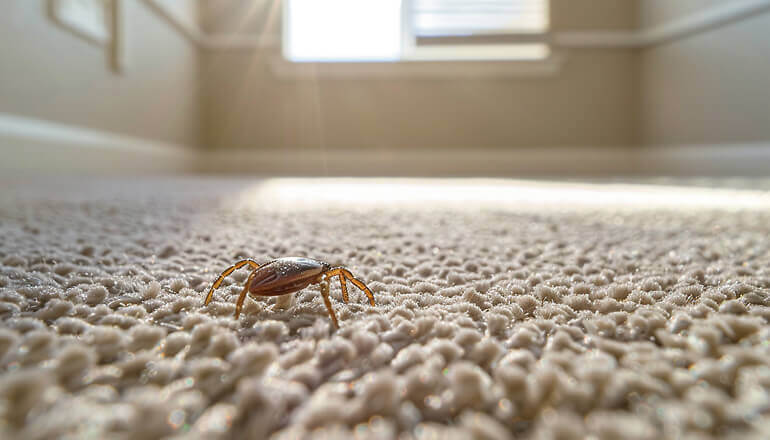
The Desert’s Blood-Sucking Hitchhikers: Why Ticks are a High-Stakes Threat
In the Scottsdale desert, ticks aren't just a concern for hikers; they are a persistent threat to your home and your pets. While many associate ticks with deep forests, the Brown Dog Tick is a notorious "homebody" in Arizona. Unlike other species, this tick can complete its entire life cycle indoors, meaning a single hitchhiker brought in from a walk at Pinnacle Peak or a visit to the local dog park can lead to a full-blown infestation within your walls.
Ticks are master hiders, tucking themselves into baseboards, door frames, and even the "voids" of your furniture while they wait for their next meal. Beyond the "gross" factor, ticks in the Scottsdale area are known vectors for serious diseases like Rocky Mountain Spotted Fever (RMSF) and Canine Ehrlichiosis. Because they are incredibly resilient and can go months without feeding, standard over-the-counter sprays rarely reach the hidden crevices where they breed.
At Studs Against Bugs, our insect control in home protocol for ticks is as "stud-tough" as it gets:
Pet-Zone Precision: We focus on the areas where your furry friends spend the most time, neutralizing ticks before they can spread.
Cranny-and-Crevice Treatment: Using high-performance residuals that reach deep into the structural gaps where ticks lay their eggs.
Perimeter Lockdown: Creating a "no-cross" zone around your Scottsdale property to stop outdoor ticks from ever making it to your front door.
Don't let your Scottsdale sanctuary become a breeding ground for blood-suckers. Let our studs secure your home and keep your family—and your pets—safe from the desert’s toughest hitchhikers.
Tick FAQS
I found a tick in my house should I be worried?
Finding a single tick indoors is usually not a cause for alarm, as they are typically lone "hitchhikers" brought in by pets or clothing rather than a sign of an infestation. You should only be concerned if you find a tick already attached and engorged, or if you continue to find multiple ticks, which could indicate a nearby nest or local wildlife issues.
What to do if I found a tick in my bed?
If you find a tick in your bed, immediately strip the linens and put them in the dryer on high heat for at least 15 minutes, as the dry air kills ticks much more effectively than a wash cycle. Afterward, perform a thorough full-body check on yourself, your family, and any pets that share the bed to ensure no ticks have already attached.
Are ticks dangerous?
Ticks are dangerous because they are the primary carriers of serious illnesses like Lyme disease, Rocky Mountain spotted fever, and Babesiosis. While their bite itself is painless, they can transmit bacteria, viruses, or parasites directly into your bloodstream if they remain attached for 24 to 48 hours.
If I find one tick in my house are there more?
Finding one tick usually isn't a sign of an infestation, as they are typically solitary hitchhikers brought in by pets, clothing, or local wildlife. However, its presence is a clear signal to perform a thorough full-body check on all household members and pets to ensure no others have successfully attached.
I found a tick on me but it didn't bite?
If you found a tick crawling on you before it bit, you are in the clear because ticks must be attached and feeding to transmit diseases like Lyme. Since it didn't bite, simply dispose of it by flushing it down the toilet or putting it in a sealed bag, then perform a thorough full-body check to ensure no others have successfully attached.
How do we treat ticks?
By using our Tri Guard technique.
Talk to an expert
Defending Your Home: The Valley Pests We Eliminate
Scottsdale is home to some of the most resilient insects in the country. At Studs Against Bugs, our highly trained technicians have spent decades understanding the behavior of Valley pests to ensure they don't stand a chance against your home or business. We don't just provide a one-size-fits-all spray; we use season-specific treatments to combat the most invasive species at the exact right time.
View all services

Casey Shaw
Founder,
Studs Against Bugs
Ready for protection?
Muscle vs. Micro-Pests: We don’t just spray and pray. Our team utilizes heavy-duty, professional-grade barriers engineered to withstand the intense Arizona heat and keep desert pests out for good. While we are headquartered in Scottsdale, our elite protection extends across the entire Phoenix metro—from the rugged terrain of Cave Creek and Carefree to the residential hearts of Gilbert, Chandler, and Mesa.
Built to Protect: Like a well-built home, our pest defense starts with a solid foundation. We identify specific structural vulnerabilities—from weep screeds in Peoria to roof lines in Paradise Valley—ensuring every property is "Stud-Tested" and bug-proof. Because we operate from Buckeye to Queen Creek, we possess a deep understanding of how scorpions and termites behave in every unique desert environment.
Reliable & Rugged Service: Whether you are in Fountain Hills, Glendale, or Goodyear, we show up on time, every time. We provide the hardworking, honest service that residents from Surprise to Tempe expect from a premium local partner. From the West Valley to the East, we are your rugged defense against the desert’s toughest pests