How Desert Pests Enter Homes in Arizona
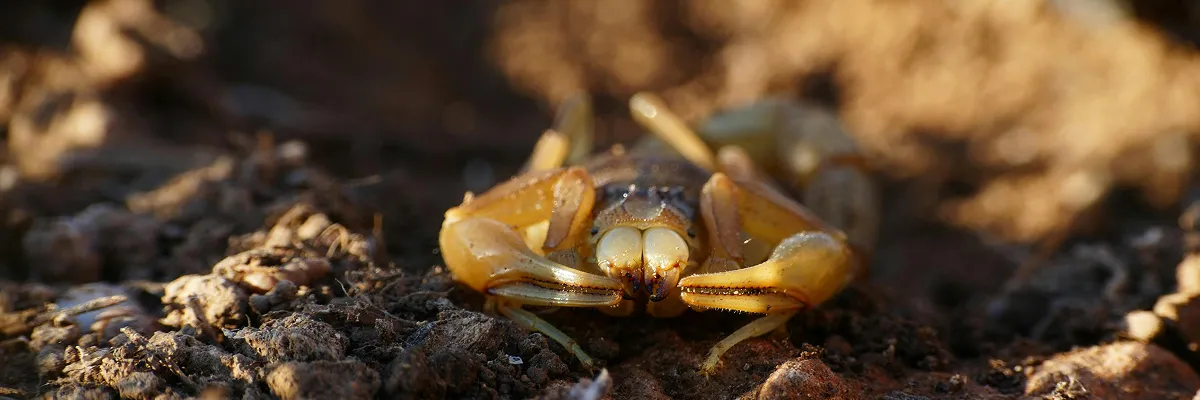
A scorpion in the laundry room rarely means it started there. In Scottsdale and across the Phoenix Valley, most pest problems begin outside, then exploit one weak point at a time. If you have ever wondered how desert pests enter homes, the short answer is simple: they follow heat, water, shelter, and access. The more your home offers those four things, the easier it becomes for pests to slip past your defenses. That matters in Arizona because desert pests are not random invaders. They move with the season, the weather, and the way your property is built. A one-time spray may knock down activity for the moment, but real protection starts with knowing where they get in and why they keep coming back.
How desert pests enter homes around the perimeter
Most desert pests do not need a dramatic opening. They need a crack, a seam, or a gap that looks harmless to you. Expansion joints, weep holes, garage door corners, door thresholds, utility penetrations, and worn weather stripping are all common entry points. In newer communities, homes can still have tiny construction gaps that become highways for ants, spiders, roaches, and scorpions.
Block walls
Block walls and stucco homes add another layer. They look solid, but the transition points where walls meet trim, where pipes enter the house, or where landscaping touches the structure can create easy access. Pests do not care whether a home is old or new. If there is a route in, they will test it.
Garage spaces
Garage spaces are one of the most overlooked zones. Homeowners often focus on the kitchen or bathrooms, but the garage is where many invasions begin. The large door may not sit tight against the slab, side seals wear down, storage creates hiding places, and interior access to the home gives pests a second opportunity to move deeper inside.
Why Arizona homes attract pest pressure
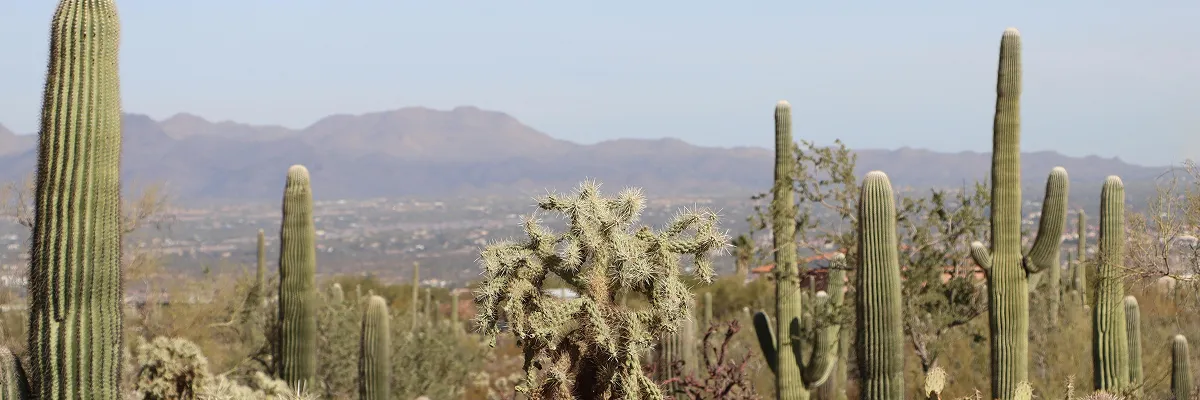
Desert pests are pushed by survival, not chance. During extreme heat, they search for cooler shelter. During dry stretches, they search for moisture. During monsoon shifts, they move when flooded burrows, soaked soil, and disrupted nesting sites force them to relocate.
That is why pest pressure can spike even at well-kept homes. A clean house helps, but it is not the full story. In Arizona, pest activity is heavily tied to what is happening outside - irrigation schedules, dense ground cover, cinder block fencing, decorative rock, pet water bowls, roof runoff, and even the amount of shade around the foundation.
Some pests are also following other pests. Scorpions often show up where their food source is active, especially crickets, roaches, and spiders. Rodents move where they can find seed, fruit, trash, or shelter, then create openings and contamination issues of their own. That means one untreated pest problem can become the support system for another.
The most common ways desert pests enter homes
Doors, thresholds, and garage gaps
If light shows under a door, that gap is large enough to matter. Ants can march through it, roaches can flatten through it, and scorpions can slip in at night when temperatures drop. Garage doors are especially vulnerable because even a small corner gap can become a repeat access point.
This is also where convenience works against homeowners. Doors to patios, pool areas, and side yards get frequent use, which means seals wear down faster. If you live in a home with kids, pets, or regular backyard traffic, those entry points deserve more attention than most people give them.
Cracks in stucco, slab edges, and foundation lines
Arizona heat is hard on building materials. As homes expand and contract, small cracks can develop in stucco, around windows, and where slab edges meet exterior walls. To pests, those are not cosmetic flaws. They are access routes.
Ants are especially good at exploiting tiny openings. Roaches and spiders use those same areas as daytime shelter before moving inside after dark. In some cases, subterranean termites also use hidden structural pathways that homeowners never see until damage is already underway.
Vents, rooflines, and attic openings
Rodents, birds, and insects often enter higher than people expect. Unscreened vents, damaged vent covers, roof intersections, attic gaps, and openings around eaves can all invite activity. Once pests reach the attic, they gain warmth, nesting space, and room to move without being noticed.
This is one reason pest control in the desert has to be more than a ground-level treatment. If your defense plan ignores roofline vulnerabilities, you are leaving a major flank exposed.
Plumbing and utility penetrations
Where pipes, cable lines, and electrical conduits enter the home, there is often a small gap around the opening. These areas are common in garages, laundry rooms, kitchens, and under sinks. Even if the gap looks minor, pests use it because it leads directly from exterior conditions into protected interior space.
Roaches are notorious for this, especially in homes where moisture is present. Rodents also exploit utility openings, and once they do, they can enlarge them.
Drains and moisture zones
Not every pest walks in from the base of a wall. Some are drawn to drains, condensate lines, irrigation leaks, and damp utility areas. In Arizona, water is a magnet. A small leak or chronically damp spot can pull in pests from outside and keep them active longer than they otherwise would be.
Bathrooms, laundry areas, water heater closets, and kitchens all deserve inspection. If moisture is present, you are not just dealing with a maintenance issue. You may be supporting pest survival.
Yards can be the launch point
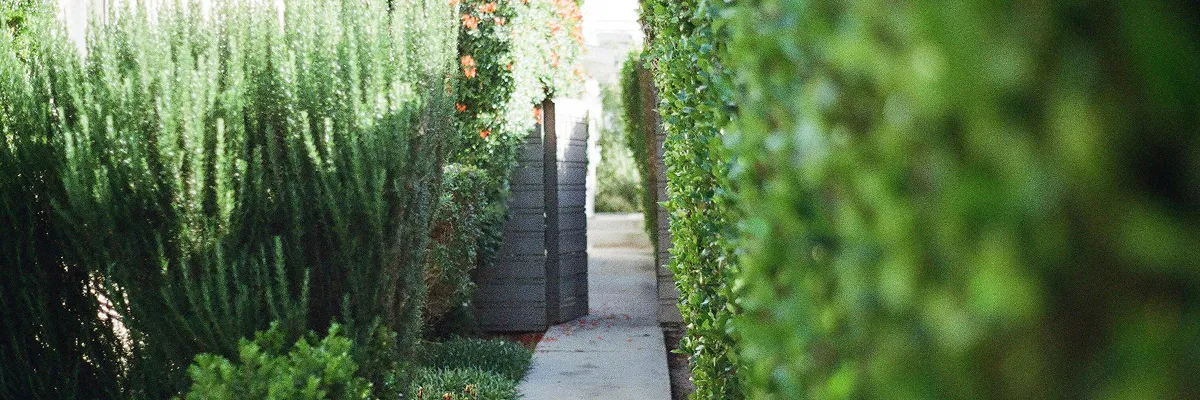
A lot of homeowners think of the house as the problem zone when the yard is really where the campaign begins. Dense shrubs against the house, stacked firewood, overwatered planters, palm debris, decorative rock, and clutter along fence lines all create staging areas.
In Scottsdale neighborhoods, block walls are a major factor. They provide shade, travel routes, and protected hiding places for scorpions, spiders, and other pests. Add drip irrigation and thick plantings near the structure, and you have created a reliable route from the outer property line to the home itself.
It depends on the property, but sometimes the strongest move is not more product. It is changing the conditions that are inviting pests to deploy closer to the structure in the first place.
Why DIY fixes only go so far
Basic sealing, cleaning, and moisture control absolutely help. Every homeowner should replace worn door sweeps, repair torn screens, reduce clutter, and keep vegetation from touching the house. Those steps tighten your perimeter and make the home less attractive.
But DIY has limits, especially in the desert. Many entry points are subtle, hidden, or seasonal. You may seal one gap and still miss three more around rooflines, plumbing lines, or wall voids. You may also treat visible pests without addressing the exterior harborages and prey cycles that keep reinforcements coming.
That is where professional-grade defense changes the equation. A real desert pest strategy includes inspection, exclusion, perimeter treatment, and ongoing monitoring based on season and property conditions. Not every home needs the same response, and that is exactly the point.
The smartest way to stop desert pests from getting in
The strongest protection plan starts outside and stays active year-round. First, identify where the pressure is coming from - yard conditions, wall lines, garage gaps, vents, moisture zones, or hidden structural openings. Then reduce access, reduce attraction, and create a treated perimeter designed for Arizona pest behavior.
For some homes, quarterly maintenance is enough to keep the barrier strong. For others, especially homes with scorpion pressure, heavy landscaping, or recurring ant and roach activity, more frequent service may be the smarter play. The right plan is the one built around your home, not a generic national checklist.
That is why local expertise matters. Desert pests do not behave like pests in other parts of the country, and Arizona homes have their own vulnerabilities. A company like Studs Against Bugs is built around that reality, with recurring defense plans engineered for the climate, construction styles, and seasonal pest movement homeowners here actually deal with.
If pests keep showing up, do not assume they are appearing out of nowhere. They are following a route, testing your perimeter, and taking advantage of conditions that can be changed. The good news is that once you understand the pattern, you can shut down the entry points and put your home back behind elite protection.

Casey Shaw
Founder,
Studs Against Bugs
Ready for protection?
Muscle vs. Micro-Pests: We don’t just spray and pray. Our team utilizes heavy-duty, professional-grade barriers engineered to withstand the intense Arizona heat and keep desert pests out for good. While we are headquartered in Scottsdale, our elite protection extends across the entire Phoenix metro—from the rugged terrain of Cave Creek and Carefree to the residential hearts of Gilbert, Chandler, and Mesa.
Built to Protect: Like a well-built home, our pest defense starts with a solid foundation. We identify specific structural vulnerabilities—from weep screeds in Peoria to roof lines in Paradise Valley—ensuring every property is "Stud-Tested" and bug-proof. Because we operate from Buckeye to Queen Creek, we possess a deep understanding of how scorpions and termites behave in every unique desert environment.
Reliable & Rugged Service: Whether you are in Fountain Hills, Glendale, or Goodyear, we show up on time, every time. We provide the hardworking, honest service that residents from Surprise to Tempe expect from a premium local partner. From the West Valley to the East, we are your rugged defense against the desert’s toughest pests