Seasonal Pest Control Calendar for Arizona

Written by:
Casey Shaw
April 19th, 2026
5 Minute Read
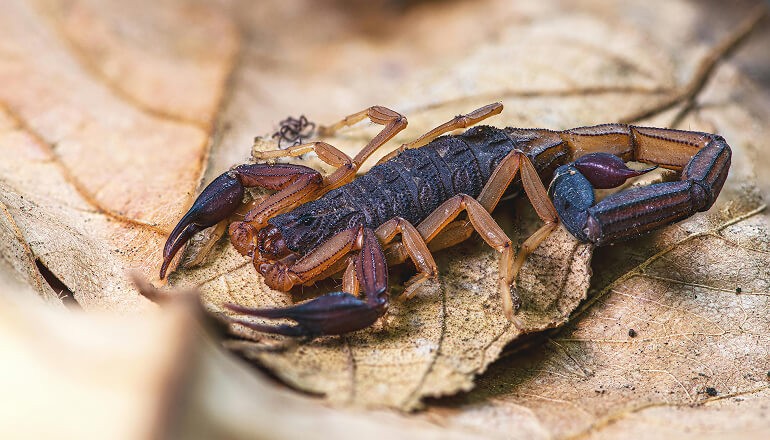
A dead scorpion in the garage is not the start of your pest problem. It is usually proof the pest cycle has already been active around your home for weeks. That is exactly why a seasonal pest control calendar matters in Scottsdale and across the Phoenix Valley. In the desert, pests do not disappear for long. They shift, they hide, they breed, and they move with heat, irrigation, and monsoon moisture.
Most homeowners think in terms of outbreaks. We think in terms of timing. The right defense is not one spray when something startles you on the patio. It is a year-round plan that adjusts before pressure spikes, not after.
Why a seasonal pest control calendar works in Arizona
Arizona does not have the same pest rhythm as cooler parts of the country. We are dealing with desert-adapted pests that stay active longer, rebound faster, and take advantage of construction gaps, block walls, drip systems, shade lines, and garage clutter. A seasonal pest control calendar gives structure to that reality.
It helps you know when scorpions start pushing for shelter, when termite activity picks up, when ant colonies expand, and when rodents start using attics, garages, and exterior wall lines as safe routes. It also keeps you from overreacting in one season and ignoring the next. Good pest control is not random. It is strategic.
That does not mean every property needs the exact same service schedule. A home with mature landscaping, turf, block fencing, and irrigation has different risk points than a low-maintenance lot with rock ground cover and minimal shade. The calendar is the framework. The treatment plan still needs to fit the property.

Spring: build your first line of defense
Spring is when many Arizona homeowners start noticing more visible activity, but the real advantage comes from getting ahead of it. As temperatures rise, ants begin foraging harder, spiders become more noticeable, and scorpions start moving with more confidence at night. This is also a smart season to inspect for termite pressure, especially around moisture sources and foundation areas.
Spring service should focus on inspection as much as treatment. Exterior entry points, weep holes, garage thresholds, door seals, utility penetrations, and perimeter cracks all deserve attention. If your yard has dense shrubs against the house, stacked pavers, wood debris, or irrigation overspray near the slab, those conditions can support pest activity before summer even hits full force.
This is also the season to clean up what winter left behind. Trim back plants that touch the structure. Clear storage along the garage perimeter. Reduce harborage in side yards. If pests have shelter and water, they will use your home as a staging area.
What to watch in spring
Ant trails near kitchens, bathrooms, and patios often show up first. Spider webs build around eaves, screens, and patio furniture. Scorpion sightings may still feel occasional, but that is not a reason to wait. Early pressure is your window to deploy protection before activity escalates.

Summer: when desert pests go on offense
Summer is the season that gets everyone’s attention. The heat drives pest movement, but not always in the way people expect. Some insects push deeper into shaded zones and cooler voids. Scorpions become more active at night. Cockroaches seek moisture. Rodents work the edges of properties where food, water, and shelter overlap.
This is when one-time service often falls apart. A quick treatment may knock down visible activity, but it rarely creates lasting control if the barrier is not maintained and the property conditions are not addressed. Summer in Arizona is not a set-it-and-forget-it season.
A serious summer strategy focuses on perimeter defense, entry-point reduction, and close monitoring around garages, pool equipment, AC lines, and backyard structures. Pet areas and outdoor seating zones also matter. Families use their yards more in summer evenings, and that is exactly when scorpions and spiders can become a bigger concern.
The monsoon factor
Monsoon season changes the battlefield fast. Rain, humidity, and flooding can displace pests and push them toward homes. You may see increased activity after storms, especially with ants, roaches, crickets, and scorpions following prey sources. That does not always mean the treatment failed. Sometimes it means pest pressure outside the home suddenly surged.
This is where ongoing service beats reactionary service. A maintained barrier, plus seasonal adjustment, gives you a much stronger chance of stopping that wave before it turns into an indoor problem.

Fall: seal up weak points before pests settle in
Fall in the Phoenix area can feel mild, but pests are still active. In many cases, this is when they begin shifting toward more protected spaces. Rodents become a bigger concern as temperatures gradually cool and food sources change. Spiders and scorpions may continue normal activity patterns, especially if daytime heat lingers.
Fall is the season to tighten the property. Check weather stripping, garage door seals, attic vents, and roofline gaps. Inspect storage sheds, side yards, and block wall transitions. If your home backs to open desert, common areas, or wash-adjacent land, rodent and scorpion pressure can be higher than average.
A good fall visit is not just another spray. It is a recalibration. Treatments may need to shift based on what the property experienced during summer. Rodent exclusion may become more urgent. Termite monitoring remains important, especially where moisture issues persist. Weed growth after monsoon can also create more cover for pest movement if not managed.
Why fall gets underestimated
A lot of homeowners relax after the worst heat breaks. Pests do not. They use transitional weather well. If your protection plan fades in fall, winter can start with hidden activity already established inside walls, attics, garages, or crawl-access zones.

Winter: the quiet season that still matters
Winter is not a pest-free season in Arizona. It is just less obvious. Some pests slow down. Others move inward, stay sheltered, or remain active in protected microclimates around the home. That includes garages, attics, utility closets, and insulated wall voids.
This is an excellent season for inspection-heavy service. When exterior activity looks lighter, you can focus on vulnerabilities without waiting for a surge. Rodent signs, old entry points, conducive conditions, and termite risk factors are easier to assess when you are not distracted by peak-season flare-ups.
Winter is also when service consistency pays off. Homes that stay on a recurring plan usually enter spring in a stronger position than homes that stopped after summer. Pest control works best when there are no major gaps in coverage. You are not just reacting to what is visible now. You are protecting against what comes next.
How often should service happen?
For many Phoenix-area homes, quarterly service is a solid baseline. It gives you seasonal coverage without long gaps and works well for general pest prevention on lower- to moderate-pressure properties. But some homes need more than that.
If you have recurring scorpion activity, heavy landscaping, pets going in and out often, or a property near open desert, wash areas, or common retention zones, bimonthly service may offer better control. The same goes for households that have had repeated issues with ants, spiders, roaches, or rodents. More frequent service is not about overselling. It is about matching the defense level to the actual risk.
The strongest plans combine treatment with inspection, property recommendations, and seasonal adjustments. That is the difference between a basic spray visit and an elite defense system.
A smarter seasonal pest control calendar starts with your property
No calendar works if it ignores the home it is protecting. A stucco home with decorative stone and sparse landscaping behaves differently than a larger family property with turf, irrigation, shade trees, block fencing, and outdoor storage. Pest pressure is local. Sometimes it is hyper-local, down to one side yard or one moisture source.
That is why the best seasonal pest control calendar includes both timing and customization. The season tells you what is likely. The inspection tells you what is actually happening.
At Studs Against Bugs, that is how we deploy protection - not with generic, one-size-fits-all service, but with professional-grade defense built around Arizona conditions. Because when your home is on the line, guessing is not a strategy.
If you want fewer surprises this year, start thinking like a defender, not a reactor. The right season to protect your home is always the one you are in.
Casey Shaw
Founder,
Studs Against Bugs
Ready for protection?
Muscle vs. Micro-Pests: We don’t just spray and pray. Our team utilizes heavy-duty, professional-grade barriers engineered to withstand the intense Arizona heat and keep desert pests out for good. While we are headquartered in Scottsdale, our elite protection extends across the entire Phoenix metro—from the rugged terrain of Cave Creek and Carefree to the residential hearts of Gilbert, Chandler, and Mesa.
Built to Protect: Like a well-built home, our pest defense starts with a solid foundation. We identify specific structural vulnerabilities—from weep screeds in Peoria to roof lines in Paradise Valley—ensuring every property is "Stud-Tested" and bug-proof. Because we operate from Buckeye to Queen Creek, we possess a deep understanding of how scorpions and termites behave in every unique desert environment.
Reliable & Rugged Service: Whether you are in Fountain Hills, Glendale, or Goodyear, we show up on time, every time. We provide the hardworking, honest service that residents from Surprise to Tempe expect from a premium local partner. From the West Valley to the East, we are your rugged defense against the desert’s toughest pests