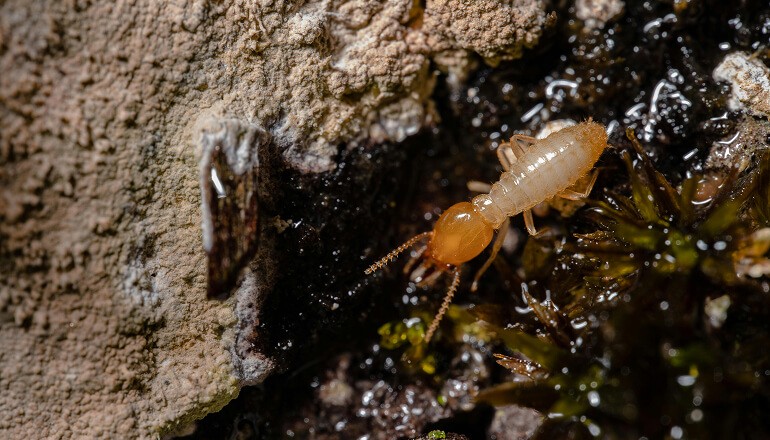
Subterranean Termite Warning Signs to Watch

Written by:
Casey Shaw
April 13th, 2026
5 Minute Read
That pencil-thin line of dried mud near your garage stem wall is easy to ignore - until you realize it may be one of the clearest subterranean termite warning signs a homeowner can spot. In Scottsdale and across the Phoenix Valley, these termites do their damage quietly. They stay hidden in soil, behind walls, and under slabs, which means the problem often looks small on the surface even when activity is already established.
For Arizona homeowners, that matters. Subterranean termites are built for stealth, and desert construction does not make your home immune. In fact, stucco exteriors, slab foundations, irrigation lines, planter beds, expansion joints, and wood-to-soil contact can all create opportunities. If you know what to look for early, you have a much better chance of stopping damage before repairs get expensive.
The biggest subterranean termite warning signs
The most common warning sign is mud tubing. Subterranean termites need moisture to survive, so they build narrow shelter tubes from soil, saliva, and debris to travel between the ground and the wood they are feeding on. You may see these tubes climbing foundation walls, stretching across concrete cracks, appearing inside garages, or running behind stored items along baseboards.
Not every mud tube means an active colony is feeding at that exact moment, which is where homeowners get tripped up. Old tubes can remain in place after activity shifts. But if you find them, treat that as a live-fire warning, not a cosmetic issue. Scraping them away without a full inspection can hide the evidence while the colony keeps working somewhere else.
Another major red flag is swarming termites. In Arizona, reproductive termites may emerge when conditions are right, often after moisture changes or seasonal shifts. Homeowners sometimes mistake them for flying ants, but the difference matters. Termites have straight antennae, a thicker waist, and two pairs of wings that are roughly equal in size. If you find winged insects indoors near windowsills, sliding doors, or light sources, or if you notice piles of shed wings, that can point to a nearby colony trying to expand.
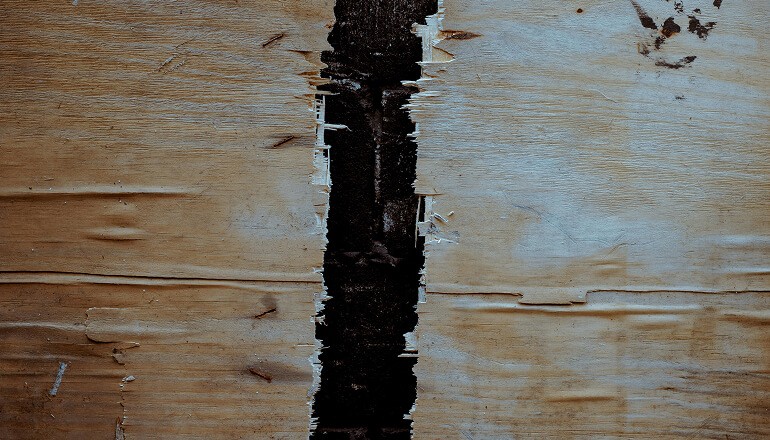
Wood damage is another clue, but subterranean termites rarely advertise it clearly. Unlike some wood-destroying pests that leave obvious sawdust, subterranean termites hollow wood from the inside out. Baseboards may sound papery or thin when tapped. Door frames may start to feel soft. Floors can develop a slight sag or a blistered appearance. Paint may bubble in a way that looks like a moisture problem. Sometimes homeowners assume it is age, settling, or minor water damage, when termite feeding is part of the picture.
Where these signs show up around Arizona homes
In Scottsdale-area homes, subterranean termite activity often appears first in overlooked transition zones. Garages are common because expansion joints, stored cardboard, and wall edges give termites cover. Patio posts, fence lines, and detached wood structures can also become entry points or early warning locations.
Inside the home, pay close attention to baseboards, window casings, utility penetrations, and the lower edges of drywall. Kitchens, laundry rooms, and bathrooms deserve extra attention because plumbing lines and moisture can make those areas more attractive. Outside, inspect where stucco meets soil, where irrigation keeps the ground damp, and where mulch or decorative ground cover sits against the structure.
Landscaping can help or hurt. Desert-friendly yards are not automatically low risk. Drip irrigation, planter boxes against the home, stacked firewood, dead tree roots, and wooden borders can all support termite activity. The issue is not just the presence of wood. It is access, moisture, and concealment.
What termite damage feels like before it looks obvious
Some of the earliest termite clues are subtle changes in how your home behaves. A door that suddenly sticks. A section of trim that dents too easily. Tile or laminate flooring that seems slightly raised. Small pinholes in drywall with faint dirt markings nearby. These do not confirm termites by themselves, but they should move the issue higher on your radar.
This is where a lot of homeowners lose time. They wait for dramatic damage, but subterranean termites are not dramatic. They are efficient. By the time wood visibly crumbles, the colony may have been feeding for months or longer.
If you press lightly on suspicious wood and it gives way, or if you expose galleries packed with soil-like material, stop there. Disturbing the area too much can make inspection harder. A professional assessment can determine whether the damage is active termite feeding, older damage, or another moisture-related issue entirely.
Signs that are often mistaken for something else
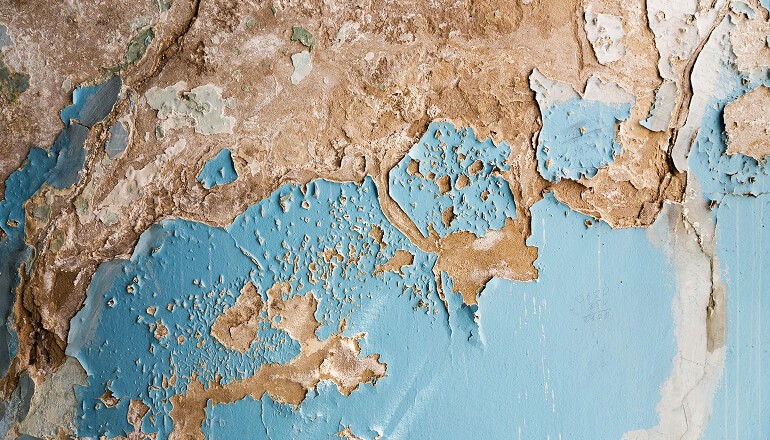
Subterranean termite warning signs are easy to confuse with ordinary home wear. Bubbling paint can look like a leak. Hairline mud marks on block or concrete may seem like dirt splash after rain. Swarmers around a window can be mistaken for ants, especially if they show up briefly and disappear.
That is why pattern matters more than any one symptom. One odd spot of soft wood may be a plumbing issue. One winged insect may have wandered in from outside. But when you combine mud tubing, soft trim, discarded wings, and moisture-prone areas, the picture changes fast.
Arizona homes also deal with intense heat, monsoon shifts, and soil movement. Those factors can create cracks and gaps that termites use without announcing themselves. A house can look clean and well maintained from the curb and still have active subterranean termite pressure underneath or along the foundation.
What to do if you spot warning signs
First, do not rely on store-bought spray as your main response. Contact sprays might kill visible insects, but they do not eliminate the colony in the soil. With subterranean termites, the real threat is usually hidden below or behind the area where you noticed the sign.
Second, avoid tearing open walls or ripping out damaged trim before an inspection. That can remove evidence and make it harder to map where activity is traveling. Take clear photos, note the location, and check nearby rooms or exterior walls for related signs.
Third, move quickly. Speed matters, but so does accuracy. A real termite defense plan should identify the scope of activity, entry points, moisture contributors, and the right treatment for your construction type. Slab homes, garages, additions, block walls, and landscape features can all affect the strategy.
This is also where local experience makes a difference. Homes in the Phoenix Valley are not carbon copies of homes in other regions, and termite pressure does not follow a national script. Treatment planning needs to account for desert soil conditions, irrigation habits, foundation design, and the way Arizona homes are built and maintained.
Why ongoing monitoring beats one-time guessing
A lot of termite trouble starts with a one-and-done mindset. A homeowner sees a suspicious tube, gets a quick spot treatment, and assumes the threat is over. Sometimes that works for a visible symptom. It does not always solve the pressure around the property.
The stronger approach is ongoing defense - inspection, targeted treatment, monitoring, and follow-up. That is especially true if your property has recurring moisture near the foundation, older expansion joints, heavy landscaping near the house, or a history of termite activity in the neighborhood. Termites are not impressed by wishful thinking. They respond to access and conditions.
At Studs Against Bugs, the focus is not on chasing a single symptom. It is on deploying protection that matches the property and keeping that defense active over time. For homeowners who want fewer surprises and more control, that approach makes a lot more sense than waiting for visible damage.
When to stop watching and start calling
If you have seen mud tubes, swarmers, discarded wings, or soft wood near the lower portions of your home, it is time for a professional inspection. If you are buying a home, have had prior termite issues, or have landscaping and irrigation tight against the structure, it is smart to be proactive even before obvious signs appear.
There is a difference between being alarmed and being prepared. The goal is not panic. The goal is catching termite activity while the fix is smaller, cleaner, and less expensive.
Your home does not need more guesswork. It needs elite protection, sharp eyes, and a defense plan that matches Arizona conditions before hidden termite activity turns into visible repair bills.
Casey Shaw
Founder,
Studs Against Bugs
Ready for protection?
Muscle vs. Micro-Pests: We don’t just spray and pray. Our team utilizes heavy-duty, professional-grade barriers engineered to withstand the intense Arizona heat and keep desert pests out for good. While we are headquartered in Scottsdale, our elite protection extends across the entire Phoenix metro—from the rugged terrain of Cave Creek and Carefree to the residential hearts of Gilbert, Chandler, and Mesa.
Built to Protect: Like a well-built home, our pest defense starts with a solid foundation. We identify specific structural vulnerabilities—from weep screeds in Peoria to roof lines in Paradise Valley—ensuring every property is "Stud-Tested" and bug-proof. Because we operate from Buckeye to Queen Creek, we possess a deep understanding of how scorpions and termites behave in every unique desert environment.
Reliable & Rugged Service: Whether you are in Fountain Hills, Glendale, or Goodyear, we show up on time, every time. We provide the hardworking, honest service that residents from Surprise to Tempe expect from a premium local partner. From the West Valley to the East, we are your rugged defense against the desert’s toughest pests